
Ghosts and the State of US Higher Education (November 2025)
The 2025 annual meeting of the American Anthropological Association, which took place in New Orleans in November, chose “Ghosts” as its organizing theme. The AAA deserves credit for deploying this theme not as a quaint vestige of exotic beliefs but rather as an evocative metaphor for contemporary social life in a range of places. Ghosts conjure “haunted histories, spectral possibilities, and the creative power of the immaterial,” in the words of the AAA’s theme description.
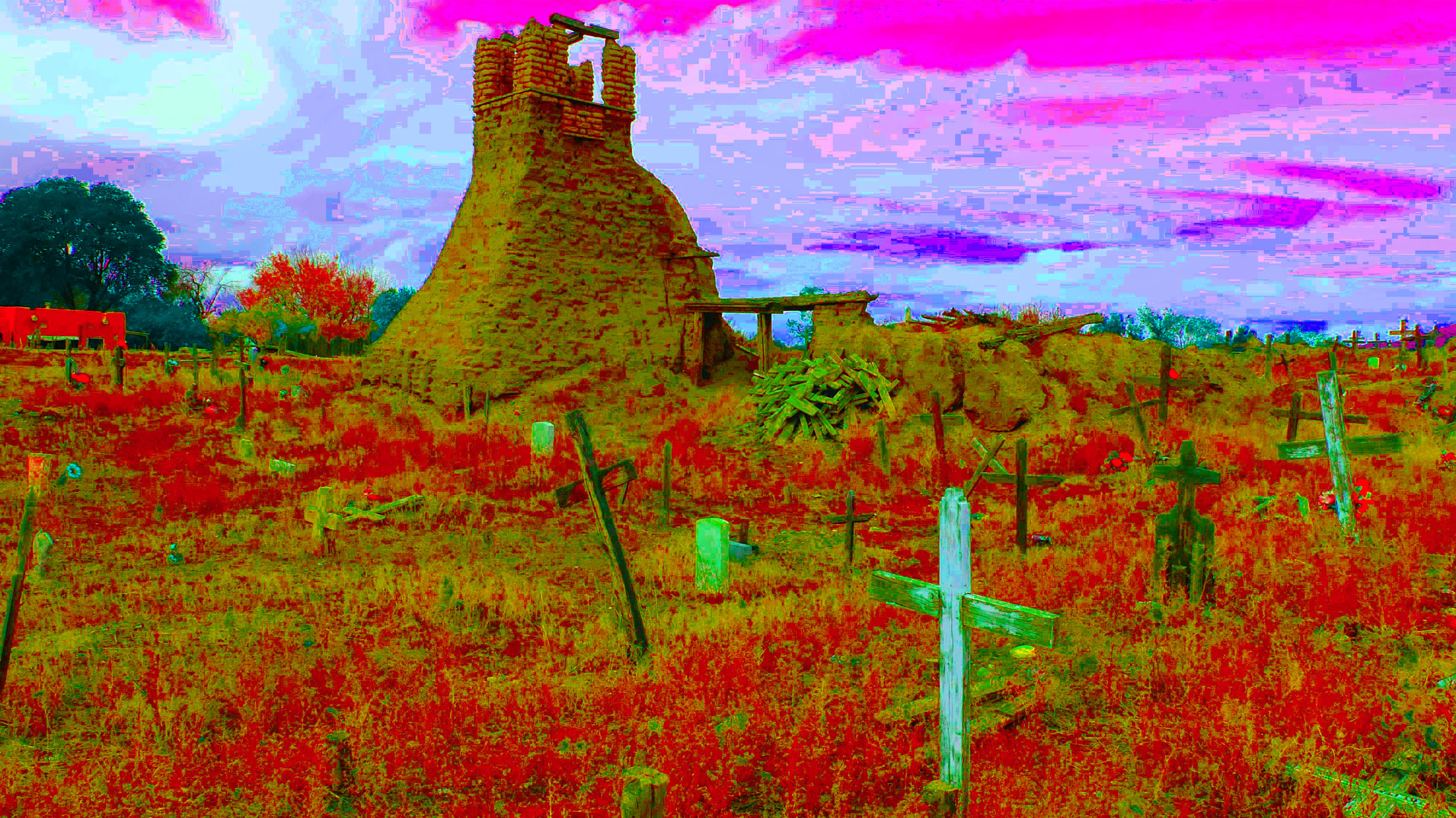
It’s hard not to see the present American moment as haunted in ways both old and new. Slavery is one inescapable ghostly presence, but others have become salient in recent years. Of particular concern to anyone committed to higher education, especially in the humanities, is the global history of authoritarian interventions in colleges and universities.
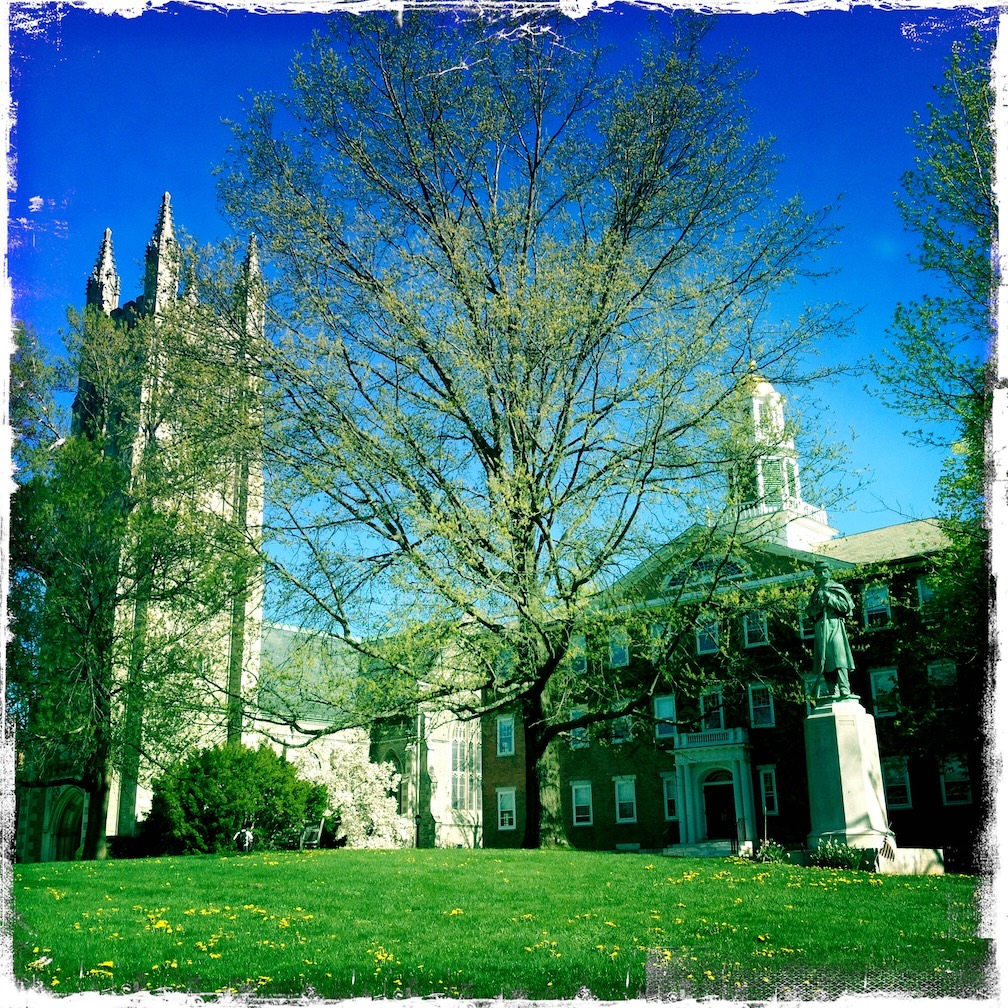
On the face of it, the effort of the federal government to remake higher education is at odds with a regime ostensibly focused on the restoration of American greatness. Prior to 2024, U.S. higher ed was regarded as the world’s best in science, medicine, and the humanities. After decades of deindustrialization, colleges and universities have emerged as formidable engines of economic growth in cities fortunate enough to host them.
But those in power apparently have higher priorities than academic excellence and prosperity. They include ridding the American education system—higher and otherwise—of thinking about race, gender, social justice, and cultural difference. To pursue that end, federal funds directed to universities have been summarily frozen. This is particularly destructive to scientific research but inevitably affects social sciences and the humanities as well. The careers of countless young scholars have been derailed in the name of extirpating objectionable thought. Meanwhile, states with hyper-conservative governments, such as Florida and Texas, are now vetting course descriptions and syllabi at public universities in search of words and ideas that state officials wish removed from public discourse.
This situation inevitably summons the ghost of similar efforts by authoritarian and totalitarian governments to determine what can be taught at universities and by whom.
Thoughtful observers of American higher education do not completely absolve universities of blame for this situation. In a review of a new biography of William F. Buckley, Jr., the political scientist Mark Lilla declares that “the only new ideas emanating from the left have been synthesized in cloistered conservative-free universities and thus far have only driven less privileged citizens into the welcoming arms of the reactionary right.” He is but one among many thinkers who now regret the triumph of identity politics and moralistic solidarity thinking among scholars in the humanities and interpretive social sciences. Yet many of these same critics hold that the necessary rebalancing is best left to universities themselves rather than to would-be commissars of the far right.
* * * *
All of this raises the question of what individual scholars in my own profession, anthropology, can do in the face of the current crisis. I’m not referring to the obvious responses, such as participating in “No Kings” events or heading to the voting booth whenever opportunities arise. I’m voicing instead the fear that the kinds of research the majority of us pursue is overshadowed by the scale of the political forces that have been unleashed by implementation of Project 2025.
In light of one of my own professional interests, I ask myself, “How important is protection of Indigenous intangible cultural heritage when my government is downsizing or eliminating nearly every program that advances the health, economic security, and sovereignty of Native nations?” In comparison to the magnitude of the inhumanity, much of what’s published by me and my fellow anthropologists has an angels-dancing-on-the-heads-of-pins quality. There are exceptions—I’m thinking of the work of, say, Jason De León or Lawrence Ralph or the sociologist Arlie Hochschild—although one wonders how much even ethnographic research of the highest quality penetrates the minds of those committed to disrupting the world’s finest system of higher education.
I posed this question to a retired U.S. senator, a Democrat, over lunch recently. (In a small capital city such as Santa Fe this kind of informal social encounter isn’t as unlikely as it might be elsewhere.) His upbeat response, which I’ll paraphrase slightly, is that whatever modest forms of resistance we can undertake, consistent with our professional responsibilities and skills, will help. Wise advice, to which I would add that as scholars we are obliged to communicate our findings in the clearest, most accessible language if we hope to make a difference.
* * * *
Recent insights worthy of consideration. Some may be behind paywalls:
‘We Lost Our Mission’: Three University Leaders on the Future of Higher Ed. New York Times, Nov. 18, 2025
Emma Green, “Inside the Trump Administration’s Assault on Higher Education.“ The New Yorker, October 13, 2025.
Jeanne-Marie Jackson, “Viewpoint Diversity Misses the Point.” Chronicle of Higher Education, November 20, 2025.
Douglas Belkin, “The Curriculum Flowchart That Has Texas Professors Up in Arms.” Wall Street Journal, December 9, 2025.
“The Conservative Overhaul of the University of Texas is Underway.” New York Times, December 10, 2025.
 UPRIVER
You must be logged in to post a comment.